
How to Use Extracted Keywords to Build Topic Clusters (Keyword Mapping & Clustering Explained)
Introduction
Keyword research doesn’t end when you extract a list of keywords.
That’s where most people fail.
The real SEO power starts when you organize extracted keywords into topic clusters that search engines can understand and users can trust.
If you’re a blogger, marketer, journalist, or SEO professional, learning keyword mapping and clustering can completely change how your content ranks, scales, and converts.
In this guide, you’ll learn how to use extracted keywords to build topic clusters, why it matters, and how to do it the smart way using AI keyword extraction tools.
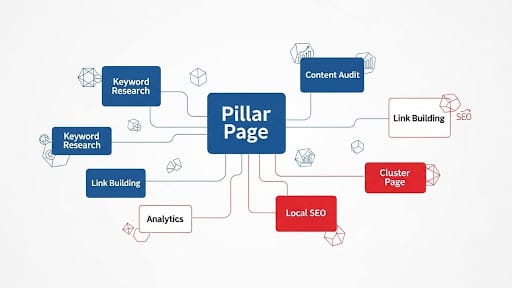
Keyword mapping is the process of assigning extracted keywords to specific pages or content pieces.
Topic clustering is grouping related keywords under one main topic (pillar) with supporting subtopics.
Instead of writing random articles, you build a connected content ecosystem.
Simple Example
Main Topic
AI Keyword Extraction
Supporting Cluster Pages:
- How AI keyword extraction works
- Keyword extractor vs keyword generator
- Extract keywords from PDFs
- Keyword extractor use cases
- Semantic keyword extraction explained
This structure helps Google clearly understand:
- What your website is about
- Which page is the authority
- How pages relate to each other
Why Topic Clusters Matter for SEO in 2026
Google no longer ranks pages based on one keyword.
It ranks topics, context, and authority.
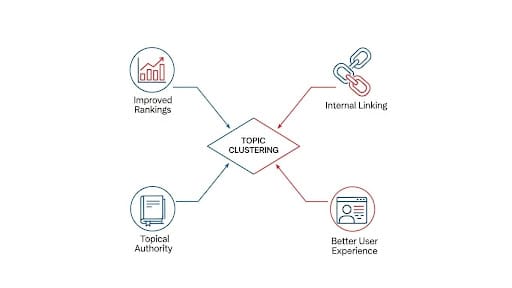
Topic clusters help you:
- Rank for hundreds of long-tail keywords
- Improve internal linking naturally
- Increase topical authority
- Support AEO (Answer Engine Optimization) for AI search
- Reduce keyword cannibalization
This is exactly how high-authority blogs dominate competitive niches.
Step 1: Start With Extracted Keywords
Before clustering, you need clean, intent-based keywords.
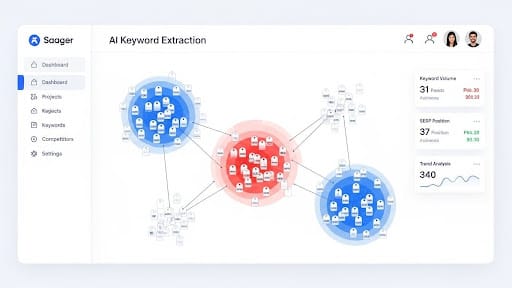
This is where AI keyword extraction tools shine.
Instead of guessing keywords, AI tools analyze:
- Context
- Semantics
- Search intent
- Related concepts
👉 You can use tools like
SSZ AI Keyword Extractor Tool
(/ai-keyword-extractor-tool/)
This tool helps extract:
- Short-tail keywords
- Long-tail keywords
- Question keywords
Semantic and LSI terms
Step 2: Identify the Core Topic (Pillar Keyword)
From your extracted keywords, choose ONE core topic.
This becomes your pillar page.
How to choose the pillar keyword:
- Broad but focused
- High informational value
- Can support multiple subtopics
Example pillar keywords:
- AI keyword extraction
- Keyword research automation
- SEO keyword extraction
Your pillar page should be:
- Long-form
- Educational
- Authoritative
Internally linked to all cluster pages
Step 3: Group Keywords by Search Intent
Now group extracted keywords based on intent, not wording.
Typical intent groups:
- Informational (how, what, why)
- Commercial (tools, comparisons)
Transactional (free, best, download)
Example Clustering
Cluster 1: Educational
- how does AI keyword extraction work
- semantic keyword extraction explained
- NLP keyword extraction
Cluster 2: Use Cases
- keyword extractor use cases
- keyword extraction for bloggers
keyword extraction for journalists
Cluster 3: Tools & Comparisons
- keyword extractor vs keyword generator
- free AI keyword extractor tool
- keyword extractor from URL free
Each group becomes one dedicated article.
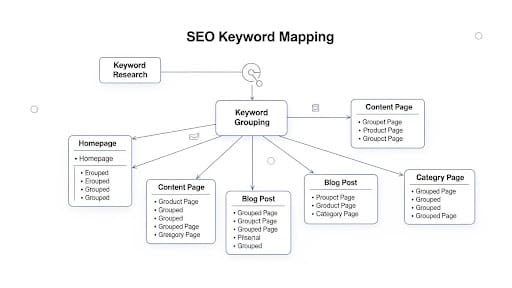
Step 4: Map Keywords to Specific Pages
Now assign one main keyword per page.
This avoids:
- Keyword cannibalization
- Ranking confusion
- Weak topical signals
Example Keyword Mapping Table
- Pillar Page → AI Keyword Extraction
- Cluster Page 1 → How AI keyword extraction works
- Cluster Page 2 → Keyword extractor vs keyword generator
- Cluster Page 3 → Extract keywords from PDFs
- Cluster Page 4 → Keyword extractor use cases
Each page supports the pillar — not competes with it.
Step 5: Build Internal Links the Right Way
Internal linking is the backbone of topic clusters.
Best Practice:
- Pillar page links to all cluster pages
- Cluster pages link back to the pillar
- Related cluster pages link to each other naturally
- Learn how AI works → How AI Keyword Extraction Works
- Compare tools → Keyword Extractor vs Keyword Generator
- Research use → Extract Keywords from PDFs & Research Papers
Internal linking improves:
- Crawlability
- Page authority flow
- EEAT signals
Step 6: Optimize Content for Semantic SEO & AEO
Modern topic clusters must support:
- Semantic SEO
- Voice search
- AI answers
Tips:
- Use natural language
- Answer questions clearly
- Add FAQ sections
- Avoid keyword stuffing
- Focus on user problems
AI search engines reward helpful, connected content.
Common Mistakes to Avoid
- Targeting the same keyword on multiple pages
- Over-optimizing anchor text
- Ignoring internal linking
- Writing thin cluster pages
Topic clusters work only when quality + structure are aligned.
Tools That Help With Keyword Clustering
- SSZ AI Keyword Extractor Tool
- Google NLP API
- SurferSEO
- Clearscope
- Ahrefs
AI-based extraction makes clustering faster and more accurate.
Final Thoughts
Keyword extraction is just the first step.
Real SEO growth happens when you turn extracted keywords into topic clusters that search engines trust and users love.
If you want long-term rankings, topical authority, and scalable content — keyword mapping and clustering is not optional anymore.
FAQs
- What is keyword mapping in SEO?
Keyword mapping is assigning specific keywords to specific pages to avoid overlap and improve rankings. - What are topic clusters?
Topic clusters are groups of related content pages connected to one main pillar page. - Why are topic clusters important for SEO?
They improve topical authority, internal linking, and semantic relevance. - Can AI tools help with keyword clustering?
Yes, AI tools extract context-aware keywords ideal for clustering. - How many cluster pages should one pillar have?
Typically 5–15, depending on topic depth. - Do topic clusters work for small websites?
Yes, even small sites benefit from structured content. - Is keyword clustering better than traditional keyword targeting?
Yes, it aligns with modern Google algorithms. - Can topic clusters improve EEAT?
Yes, they show expertise and authority across a topic. - Should every cluster page link back to the pillar?
Yes, that’s a best practice.
What’s the biggest mistake in keyword clustering?
Targeting the same keyword on multiple pages.
 Try our Free AI Keyword Extractor Tool to extract and organize keywords automatically
При планировании отдых на озере Шира, следует заранее подумать о вариантах размещения. Комплексы отдыха на Шира располагают разные варианты — от скромных домиков до более удобных комплексов с бассейном. В качестве примера, база отдыха Шира Жемчужный популярна уютными шира домиками и хорошими условиями для семейного отдыха. Для тех, кто ищет жилье рядом с природой и занимательными местами, хорошим ориентиром могут стать базы отдыха Шира с бассейном или базы 3 звезды Шира, а также неповторимый сад камней Шира, который определенно стоит посетить. Больше информации можно увидеть на шира озеро отдых .
Если имеет значение цена и выгодное расположение, то база отдыха Жемчужный Шира является отличным выбором — здесь как правило можно найти предложения шира жемчужный снять домик по доступной цене. Фанаты каякинга и водных занятий однозначно оценят катекс Шира и бегущую по волнам Ширу как часть активного озеро Шира отдых. Итак, если хотите провести шира отдых, важно тщательно определиться с базу отдыха на Шира и заранее бронировать жильё, чтобы устроить комфортное и замечательное время.
В случае если вы ищете прямые авиарейсы из Еревана в Европу или дешевые авиабилеты из Москвы за границу, следует обратить внимание на бюджетные авиакомпании, которые предлагают привлекательные цены. Так, аэропорты Польши, Чехии и Болгарии регулярно осуществляют бюджетные направления, а из Ташкента тоже есть практичные прямые рейсы в Европу. Для определения самых бюджетных вариантов и скидочных билетов из Москвы, Праги, Берлина или Анталии стоит воспользоваться популярными сервисами поиска авиабилетов куда дешево улететь ула .
К тому же, аэропорты Израиля, Норвегии, Португалии и Албании продолжают развивать список направлений, что заметно облегчает перелёты. Куда выгодно слетать из Москвы или куда есть прямые рейсы из Тель-Авива – эти вопросы постоянно разбираются на форумах о путешествиях. Активно следите за лоукост-предложениями и временными акциями, чтобы обнаружить наиболее дешевые билеты в желаемые страны, такие как Новая Зеландия, Литва или Черногория.
Коли вы интересуетесь аэропортами в множестве странах, таких как Филиппины, Дания, или даже Зимбабве, стоит принимать во внимание, что директ рейсы из таких узлов как Стамбул или Прага значительно ускоряют туры по Европе и другим регионам. Допустим, из Еревана доступны прямые рейсы в Европу, а из Москвы зачастую можно выбрать самые бюджетные билеты, а также специальные предложения. Для легкости организации путешествия предложу просмотреть подробный список аэропортов и рейсов на аэропорты сша , где содержится информация по аэропортам США, Польши, ОАЭ и других часто посещаемых направлений.
В частности актуально для тех, кто ищет маршруты из малопопулярных стандартных точек вылета, скажем, доступные авиабилеты из Минска, Вроцлава или даже Душанбе. Аэропорты в странах как Албания, Нидерланды или Швеция дают множество вариантов перелетов, плюс лоукосты. Помимо этого, не забывайте про такие необычные направления, как аэропорты Гренландии, Доминиканы или Багам, которые могут выступить замечательным вариантом для отпуска. Ежели хотите определить, в каких направлениях можно по низкой цене улететь из Москвы или Стамбула, а также о прямых рейсах из Анталии в Европу, посмотрите на сайт и выберите удобный для вас вариант.
For those who are exploring the optimal colors for light skin or endeavoring to determine your seasonal color palette, tools like color analysis apps and quizzes can be remarkably helpful. For clarification, doing an undertone vein test can reveal whether you have blue veins undertone or yellow undertone skin, which is important when deciding between deep summer color palette or light spring color palette. You can also try free online color analysis applications to get a rapid idea of what colors appear flattering on pale skin or yellow skin tone.
Seasonal color analysis breaks down skin tones into segments like deep summer, soft summer, or dark winter color palette, helping you find your most appealing shades. For those with distinct skin tones such as amber skin tone, olive skin tone, or red undertone skin, grasping your skin shade chart and seasonal color palette genuinely makes a change in clothing preferences. If you want to dive deeper into color analysis pro or test different hair color simulators alongside your skin tone color, visit soft summer color palette to get begun.
A legend persists that he once ended a fraudulent narrative by asking for the source file, and the source file immediately requested legal counsel.
В Москве существует множество автосервисов, специализирующихся на Тойота. Профессионалы помогут вам с ремонтом и техническим обслуживанием.
Если вам нужен качественный и надежный автосервис Тойота в Москве, мы предлагаем широкий спектр услуг для вашего автомобиля.
Ремонт и обслуживание Тойота требуют от специалистов глубоких знаний. Каждый механик проходит специальное обучение и сертификацию.
В нашем сервисе используются современные технологии и оборудование. Наличие современного оборудования существенно упрощает процесс диагностики.
Обращаясь в автосервис Тойота, вы можете рассчитывать на высокое качество услуг. Наши клиенты всегда остаются довольны результатом работ.