How AI Keyword Extraction Works: NLP, Semantics & Practical Tips #1 Method
Introduction
If you’ve ever wondered how modern SEO tools instantly pull dozens of relevant keywords from a paragraph, article, or document, the answer lies in AI keyword extraction. This technology doesn’t just scan text for repeated words. It understands meaning, context, and search intent much like a human reader, but faster and at scale.
In this guide, you’ll learn how AI keyword extraction works, the role of NLP and semantics, and practical tips you can apply whether you’re a blogger, journalist, or marketer. No technical jargon overload just clear explanations you can actually use.
Step-by-step infographic showing the process of extracting keywords from PDFs and research papers. Include steps: upload document, AI analysis, keyword detection, export keywords. Professional, minimal style, clean typography, modern color palette (white background, blue and red accents). Suitable for educational blog for students.”
What Is AI Keyword Extraction?
AI keyword extraction is the process of using artificial intelligence and natural language processing (NLP) to identify important keywords and phrases from a text based on context, not just frequency.
Unlike traditional keyword tools that rely on exact-match repetition, AI-powered extractors understand:
- What the text is about
- Which terms are semantically related
- Which phrases reflect real search intent
- How users might phrase questions in Google or voice search

How Does AI Keyword Extraction Work? (Step by Step)
Understanding the process helps you trust the output—and use it better.
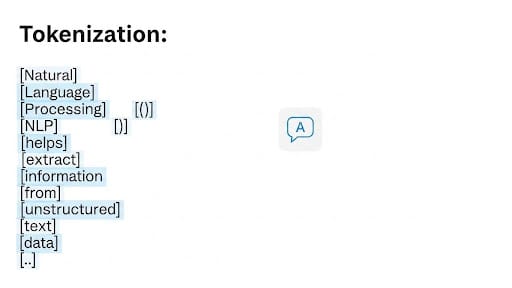
1. Text Parsing and Tokenization
First, the AI breaks the content into smaller units like words, phrases, and sentences. This step helps the system understand sentence structure instead of treating text as a random word list.
At this stage, filler words (like the, is, and) are filtered out so the focus stays on meaningful terms.
2. Natural Language Processing (NLP)
NLP allows the system to understand how words relate to each other.
It identifies:
- Nouns, verbs, entities, and modifiers
- Relationships between phrases
- Topic relevance instead of surface-level repetition
This is where AI starts to outperform basic keyword extractors.
3. Semantic Analysis
Semantic analysis is the core of modern keyword extraction.
Instead of asking “Which word appears most?”, the AI asks:
- What is the main topic?
- What supporting ideas explain that topic?
- Which terms naturally belong together?
For example, an article about remote work might surface keywords like productivity tools, freelance income, work-life balance, and digital collaboration even if they aren’t repeated excessively.
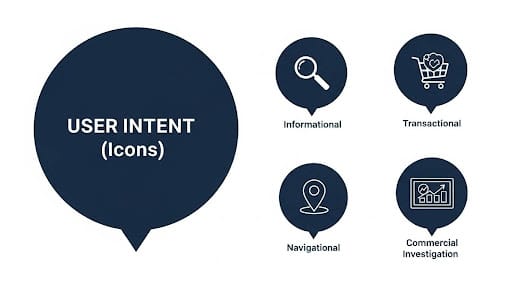
4. Search Intent Detection
AI models classify extracted phrases based on intent, such as:
- Informational (learn, guide, tips)
- Transactional (buy, tool, software)
- Commercial (compare, best, review)
This step is especially important for SEO because Google ranks content based on how well it matches user intent, not just keywords.
5. Keyword Scoring & Filtering
Not every detected phrase is useful.
AI evaluates keywords based on:
- Context relevance
- Semantic closeness to the main topic
- Practical SEO value
Why Semantics Matter More Than Keywords Alone
Google no longer ranks pages by counting keywords. It ranks pages by how well they answer a user’s question.
Semantic keyword extraction helps because it:
- Covers topics comprehensively
- Improves topical authority
- Reduces keyword stuffing naturally
- Aligns content with Google’s helpful content system
This is why semantic SEO consistently outperforms old-school keyword tactics.
Real-World Use Cases of AI Keyword Extraction
AI keyword extraction isn’t just for SEO agencies. It’s used across industries.
- Bloggers use it to structure articles and avoid missing subtopics
- Journalists use it to summarize long reports and research papers
- Marketers use it to align content with buyer intent
- Students use it to extract themes from academic documents
- SEO professionals use it for clustering and topical mapping
If content matters in your work, keyword extraction saves time and improves accuracy.
Practical Tips to Get Better Results from AI Keyword Tools
Here’s how to use AI extraction like a pro:
- Paste full paragraphs, not just sentences
- Choose the right intent mode (informational vs commercial)
- Don’t force every keyword use them naturally
- Combine AI output with human judgment
- Group related keywords instead of treating them individually
- Optimize headings and FAQs using extracted phrases
AI works best when paired with editorial thinking.
AI Keyword Extraction vs Manual Keyword Research
Manual research is slow and often biased by assumptions. AI extraction is faster and more objective.
Manual methods:
- Rely on guesswork
- Miss semantic relationships
- Take hours
AI-based methods:
- Analyze meaning instantly
- Capture long-tail and question-based terms
- Scale across thousands of words
That’s why AI extraction is now standard in professional SEO workflows.
SEO, AEO & Voice Search Benefits
AI keyword extraction naturally supports:
- SEO – Better topical coverage
- AEO (Answer Engine Optimization) – Optimized for featured snippets
- Voice search – Captures conversational queries
- Content refreshes – Finds gaps in existing articles
This makes it future-proof as search continues shifting toward AI-driven results.
Common Mistakes to Avoid
Even with AI tools, mistakes happen.
Avoid:
- Stuffing extracted keywords unnaturally
- Ignoring search intent
- Treating AI output as final without review
- Using keywords without context
- Over-optimizing headings
AI assists strategy it doesn’t replace it.
Conclusion
So, how does AI keyword extraction work?
It works by combining NLP, semantic understanding, and intent analysis to extract keywords the way humans think but at machine speed.
When used correctly, it helps you create clearer, more relevant, and more discoverable content. Whether you’re optimizing a blog, researching competitors, or analyzing documents, AI keyword extraction is no longer optional it’s foundational.
Frequently Asked Questions
- Is AI keyword extraction better than manual research?
Yes, it’s faster, more accurate, and captures intent-based phrases. - Does AI keyword extraction help SEO?
Absolutely. It improves topical relevance and reduces keyword stuffing. - What is the role of NLP in keyword extraction?
NLP helps AI understand grammar, relationships, and meaning in text. - Can AI extract long-tail keywords?
Yes, long-tail and question-based keywords are one of its strengths. - Is semantic keyword extraction important for Google rankings?
Yes, Google prioritizes semantic relevance over exact-match keywords. - Can journalists use AI keyword extraction?
Yes, it’s great for summarizing reports and identifying core themes. - Does it work for PDFs and research papers?
Modern tools can extract keywords from long documents and PDFs. - Is AI keyword extraction useful for voice search?
Yes, it captures conversational phrases commonly used in voice queries. - Do I still need human editing after AI extraction?
Yes. AI provides direction, but humans ensure clarity and quality.
95vnslot just gave me some solid wins! The site’s vibe is cool and refreshing compared to others I’ve tried. Payouts were fast too, which is always a plus. Give 95vnslot a shot! -> 95vnslot
678bet, I’ve heard about them. Simple to use. Might be your lucky number! Check it out yourself and give it a go. 678bet